


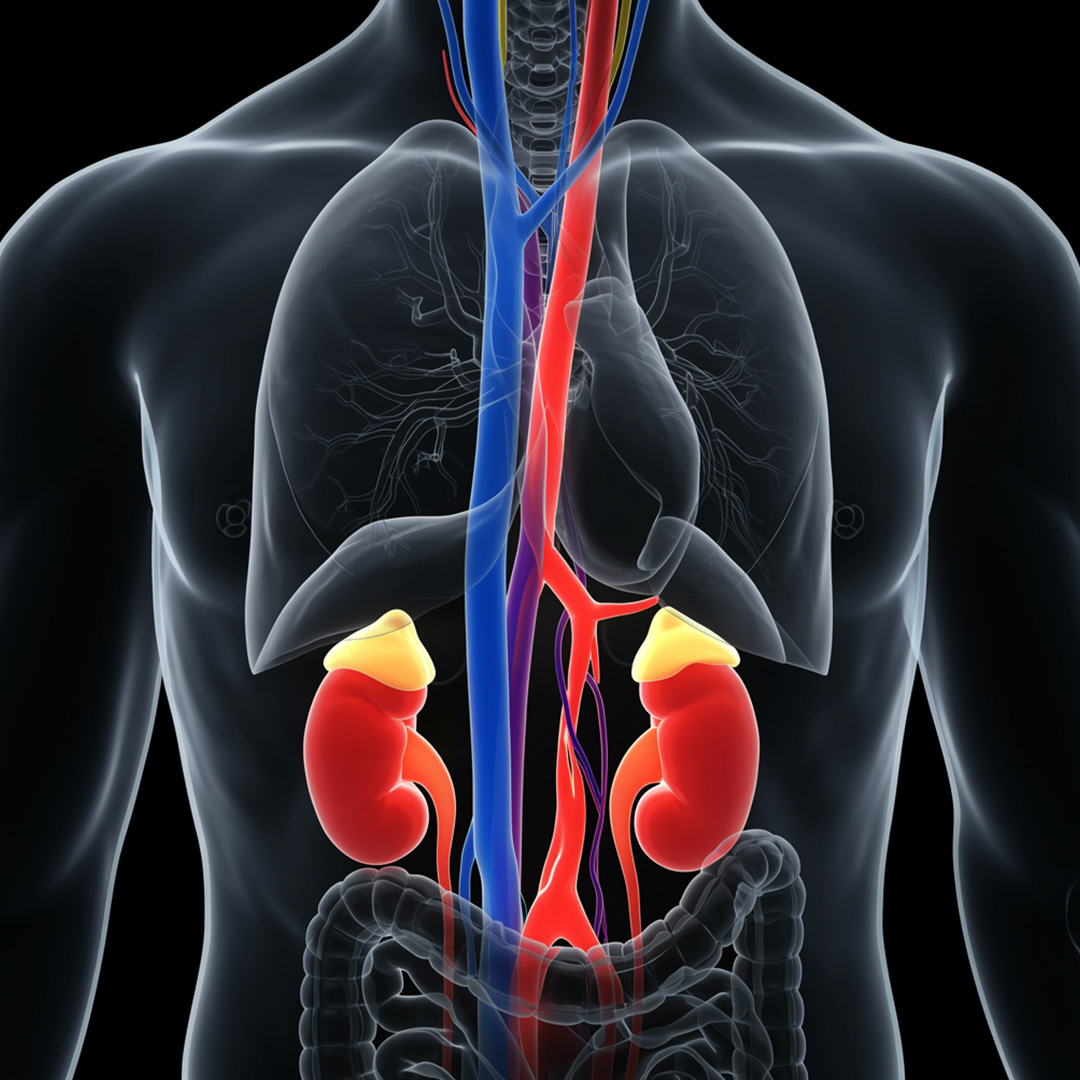
Congenital Adrenal Hyperplasia (CAH) refers to a group of genetic disorders affecting the adrenal glands, which are responsible for producing vital hormones like cortisol, aldosterone, and androgens. The most common form is 21-hydroxylase deficiency, which impairs cortisol and sometimes aldosterone production, leading to a hormonal imbalance and overproduction of androgens (male sex hormones).
CAH is inherited in an autosomal recessive pattern, meaning a child must inherit two copies of the defective gene (one from each parent). It is usually diagnosed at birth or in early infancy during newborn screening, though milder forms (non-classic CAH) may not appear until later in life.
Children born to parents who are both carriers of a CAH-causing gene have a 25% chance of having the condition. CAH affects both males and females, but the symptoms may appear more prominently in females due to androgen excess.
There are two main types:
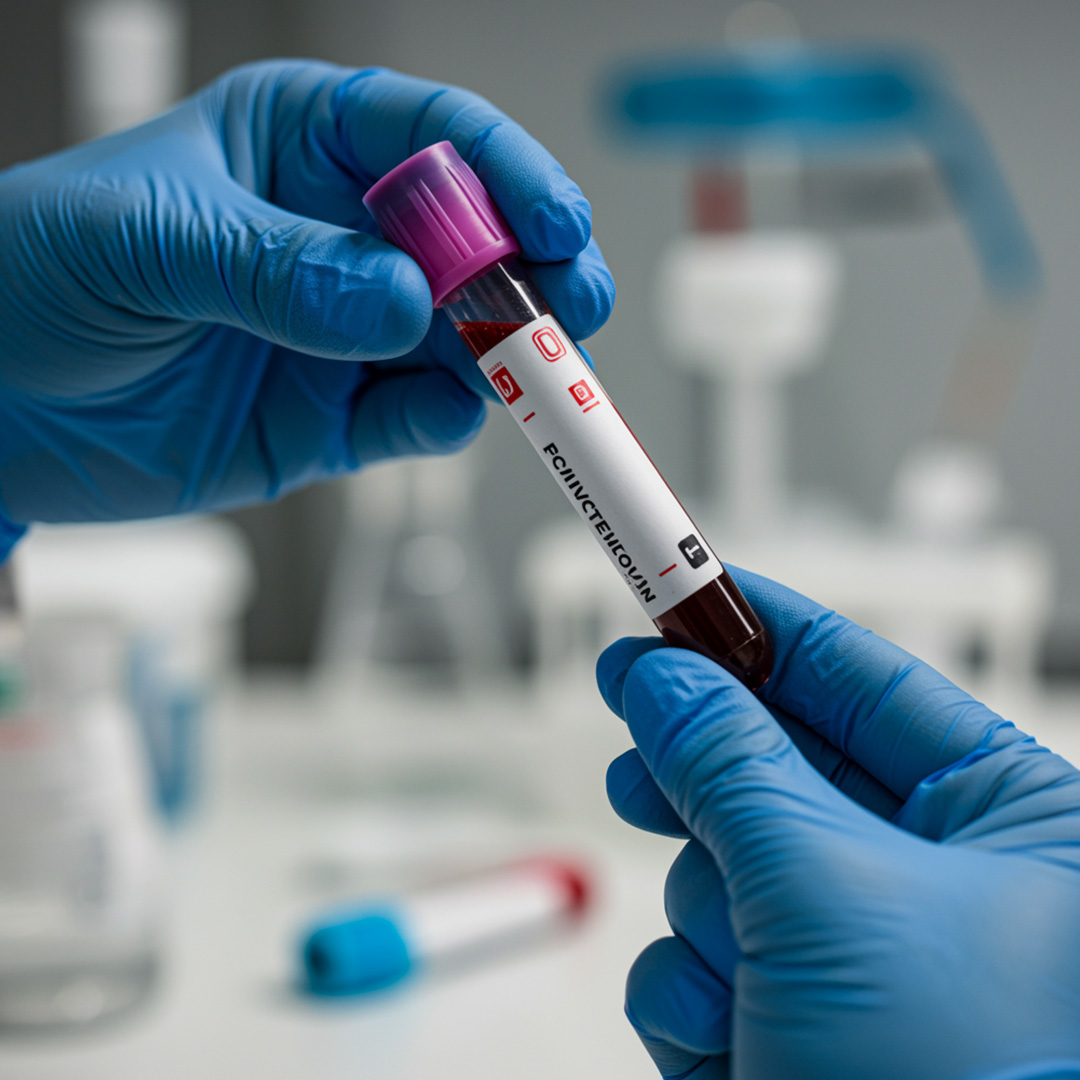
Diagnosis includes:
The goal is to replace deficient hormones and suppress excess androgen production:

Expert diagnosis and hormone monitoring

Ongoing medication management

Education and coaching for parents and patients on stress dosing, puberty, fertility, and long-term management

Coordination of multidisciplinary care including endocrinology, gynecology, genetics, and behavioral health if needed
References: