


Adrenal nodules are growths or masses that form on the adrenal glands—small glands located on top of each kidney. These glands produce vital hormones such as cortisol, aldosterone, adrenaline, and androgens that help regulate metabolism, blood pressure, immune function, and stress response. Adrenal nodules are often found incidentally during imaging tests (like CT or MRI scans) performed for unrelated reasons and are referred to as adrenal incidentalomas. While most adrenal nodules are benign and non-functioning (meaning they do not produce hormones), some can be hormonally active or, in rare cases, malignant.
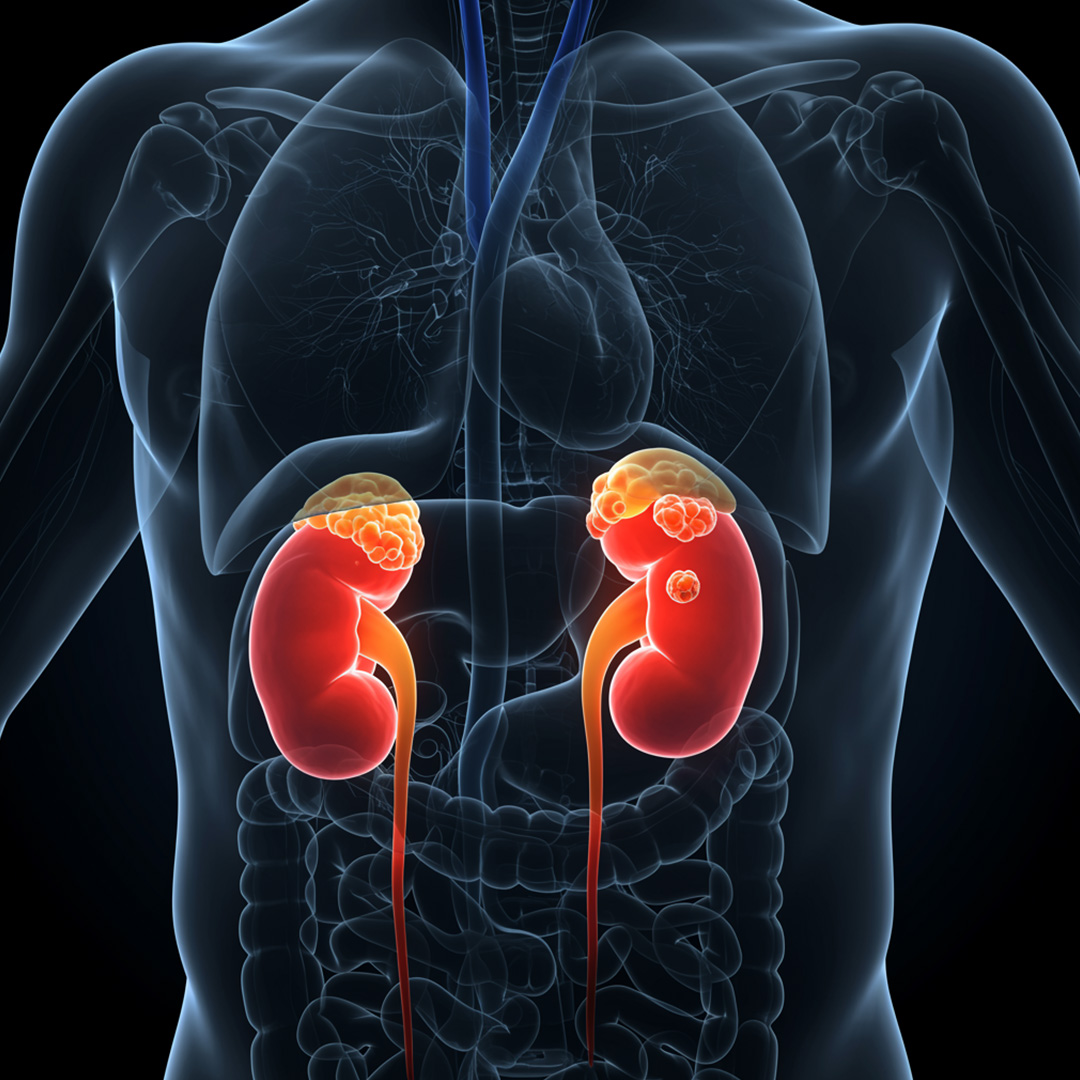
Non-functioning adenomas (most common): Benign and do not secrete hormones.
Functioning adenomas: These produce excess hormones and may lead to conditions such as:
If a nodule produces excess hormones, patients may experience:
Non-functioning nodules typically cause no symptoms.

Evaluation involves both hormonal testing and imaging:
Comprehensive hormonal evaluation

Imaging review and interpretation

Referral to specialists (endocrine surgery, oncology) when needed

Patient education on signs to monitor and long-term follow-up planning