
Understanding Endocrine and Metabolic Conditions

Learn about a wide range of hormonal, adrenal, thyroid, and metabolic conditions. Each article provides clear, concise information to help you better understand the causes, symptoms, and potential health impacts of these disorders.

Adrenal Nodules

What Are Adrenal Nodules?

Adrenal nodules are growths or masses that form on the adrenal glands—small glands located on top of each kidney. These glands produce vital hormones such as cortisol, aldosterone, adrenaline, and androgens that help regulate metabolism, blood pressure, immune function, and stress response. Adrenal nodules are often found incidentally during imaging tests (like CT or MRI scans) performed for unrelated reasons and are referred to as adrenal incidentalomas. While most adrenal nodules are benign and non-functioning (meaning they do not produce hormones), some can be hormonally active or, in rare cases, malignant.
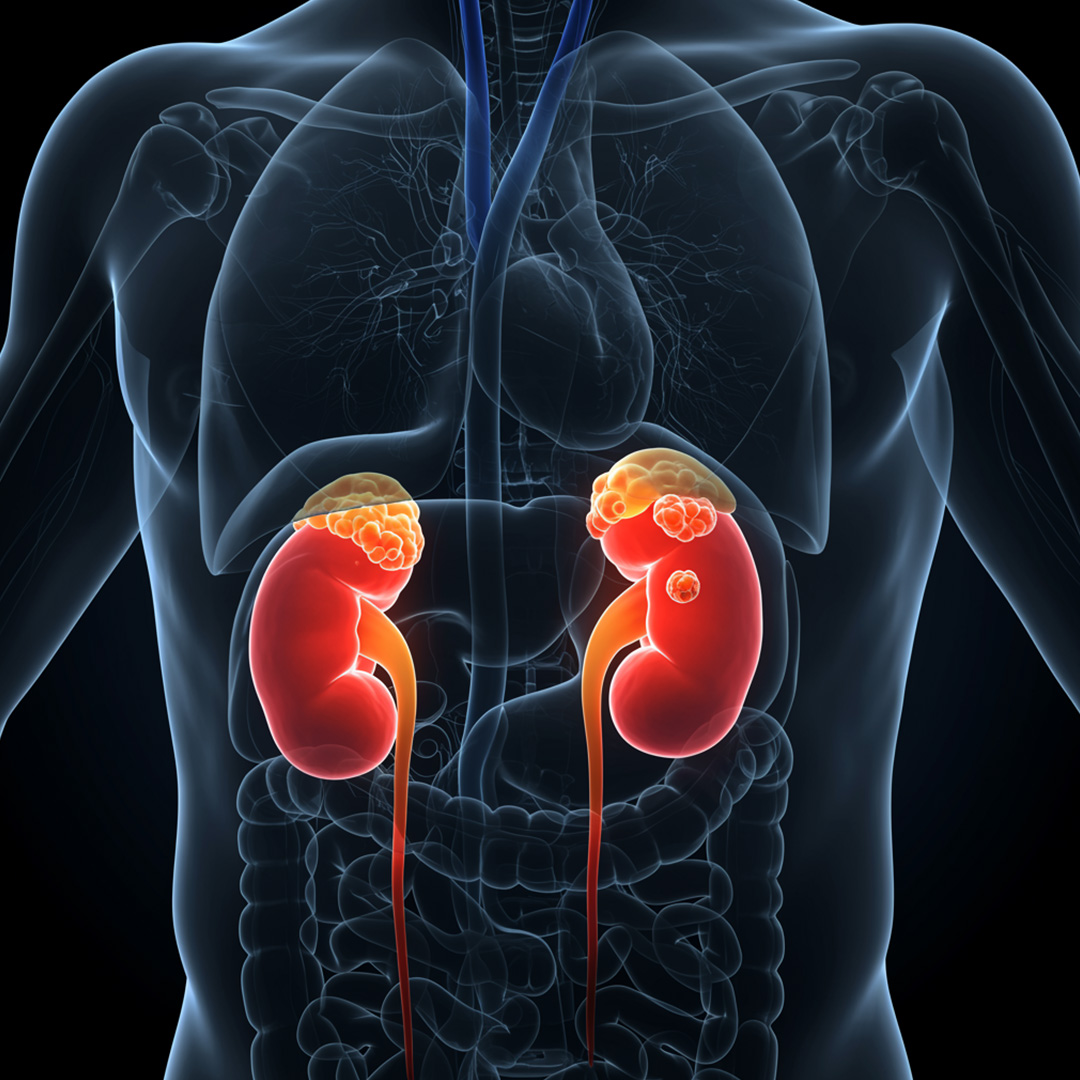
Types of Adrenal Nodules:

Non-functioning adenomas (most common): Benign and do not secrete hormones.

Functioning adenomas: These produce excess hormones and may lead to conditions such as:

  • Cushing’s syndrome (excess cortisol)
  • Primary aldosteronism (excess aldosterone)
  • Pheochromocytoma (excess catecholamines like adrenaline)

Causes and Risk Factors:

  • Age: More common in individuals over age 50.
  • Incidental discovery: Increasingly found due to more frequent imaging for other health issues.
  • Genetic conditions: Rarely, adrenal tumors may be associated with hereditary syndromes like MEN (multiple endocrine neoplasia) or Li-Fraumeni syndrome.

Symptoms of Functional Adrenal Nodules:

If a nodule produces excess hormones, patients may experience:

  • Weight gain, especially in the face and abdomen
  • High blood pressure
  • Muscle weakness
  • Mood changes or anxiety
  • Irregular periods or increased facial/body hair in women
  • Headaches, sweating, palpitations (with pheochromocytoma)

Non-functioning nodules typically cause no symptoms.
Diagnosis:

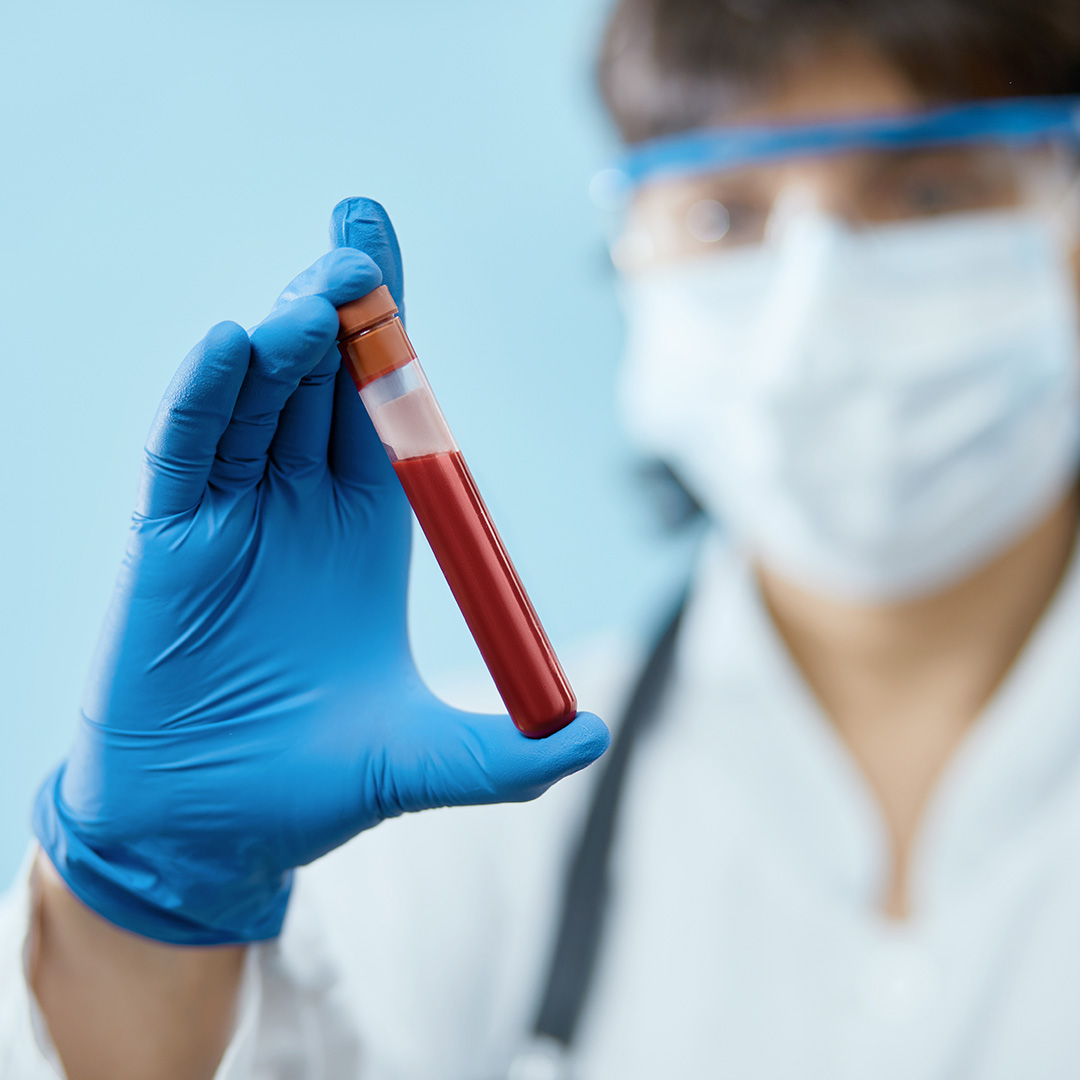
Evaluation involves both hormonal testing and imaging:
  • Blood and urine tests: Check for excess cortisol, aldosterone, and catecholamines.
  • Imaging: CT or MRI scans assess size, shape, and characteristics of the nodule.
  • Size criteria: Nodules <4 cm with benign imaging features are often monitored. Nodules >4 cm or with suspicious features may need surgical removal or biopsy.

Management:

  • Non-functioning and benign-appearing nodules <4 cm: Often monitored with follow-up imaging and hormone testing over time.
  • Functioning nodules or those >4 cm: Often require surgical removal.
  • Malignant or suspicious features: Referred to oncology/endocrine surgery for further evaluation and treatment.

Adrenal Nodule Care at Health Force One:

At Health Force One, we provide:

Comprehensive hormonal evaluation

Imaging review and interpretation

Referral to specialists (endocrine surgery, oncology) when needed

Patient education on signs to monitor and long-term follow-up planning


newsletter signup

At Health Force One, our mission is to deliver exceptional healthcare solutions with compassion and innovation. We are dedicated to empowering individuals and communities through accessible urgent care, personalized diagnostic testing, and specialized health services. By prioritizing patient well-being and convenience, we strive to set the standard for quality care that enhances lives and promotes long-term health.
© 2025, Health Force One