
Graves’ disease is an autoimmune disorder that leads to hyperthyroidism, a condition where the thyroid gland becomes overactive and produces excessive thyroid hormones. It is one of the most common causes of hyperthyroidism and typically affects the thyroid — a butterfly-shaped gland located at the base of the neck. In Graves’ disease, the body produces antibodies known as thyroid-stimulating immunoglobulins (TSIs), which mistakenly stimulate the thyroid gland to produce more thyroid hormones than the body needs. These excess hormones, primarily thyroxine (T4) and triiodothyronine (T3), speed up the body’s metabolism and can cause a variety of symptoms.
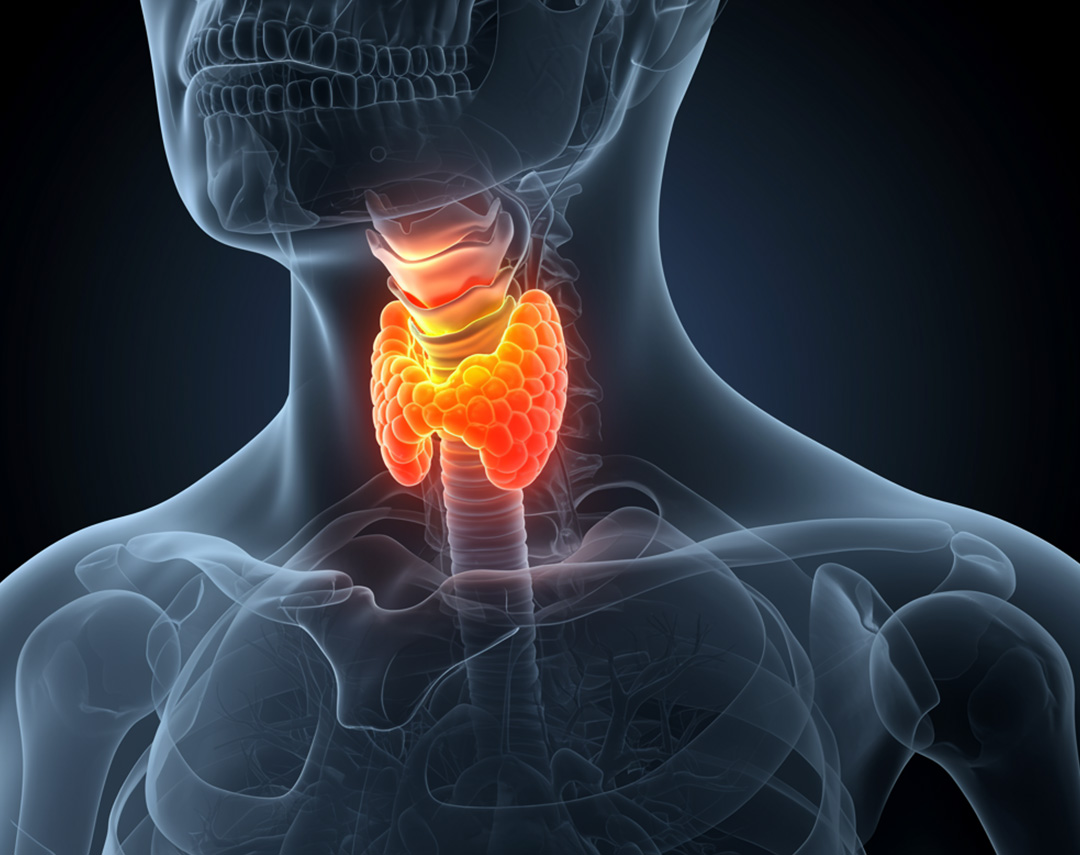

Graves’ disease is considered an autoimmune disorder, meaning that the body’s immune system mistakenly attacks its own tissues. The exact cause of Graves’ disease is not fully understood, but several factors can contribute to its development:
The symptoms of Graves’ disease are largely due to the overproduction of thyroid hormones. These symptoms can affect multiple systems in the body, including the cardiovascular, nervous, and gastrointestinal systems. Common symptoms include:

To diagnose Graves’ disease, a combination of medical history, physical examination, and laboratory tests are used:
The treatment of Graves’ disease aims to reduce the excessive thyroid hormone levels and manage symptoms. The main treatment options include:
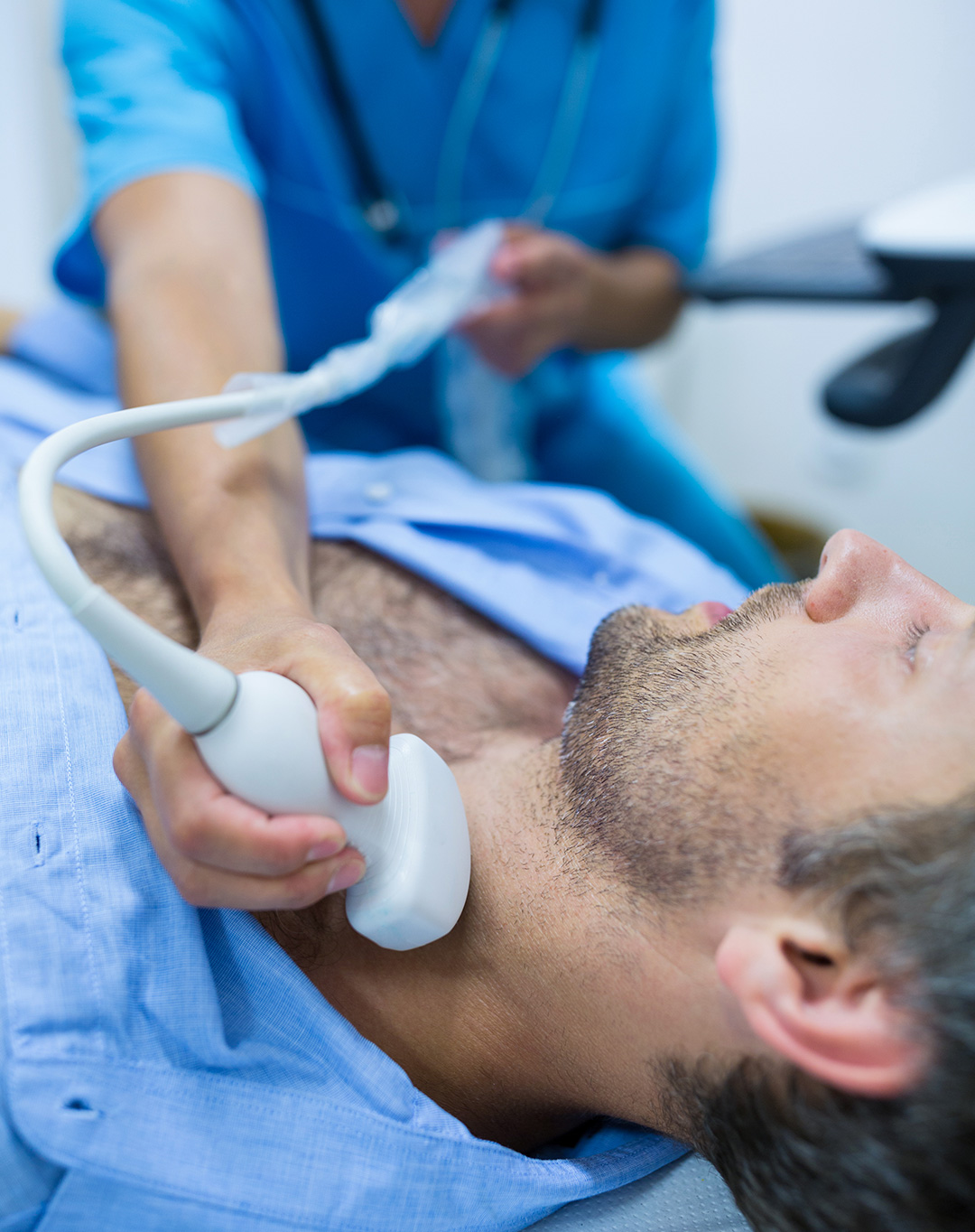
At Health Force One, we offer a comprehensive approach to the management and treatment of Graves’ disease, including:
Graves’ disease is a manageable condition, and with the right treatment, individuals can lead a healthy, active life. Early diagnosis and comprehensive treatment, including medication, radioactive iodine therapy, and potential surgery, can help individuals manage the symptoms of hyperthyroidism and prevent long-term complications. At Health Force One, we provide specialized care for Graves’ disease, helping patients understand and manage their condition through personalized treatment plans and ongoing monitoring.