

Understanding Hyperthyroidism

Learn about a wide range of hormonal, adrenal, thyroid, and metabolic conditions. Each article provides clear, concise information to help you better understand the causes, symptoms, and potential health impacts of these disorders.

What is Hyperthyroidism?

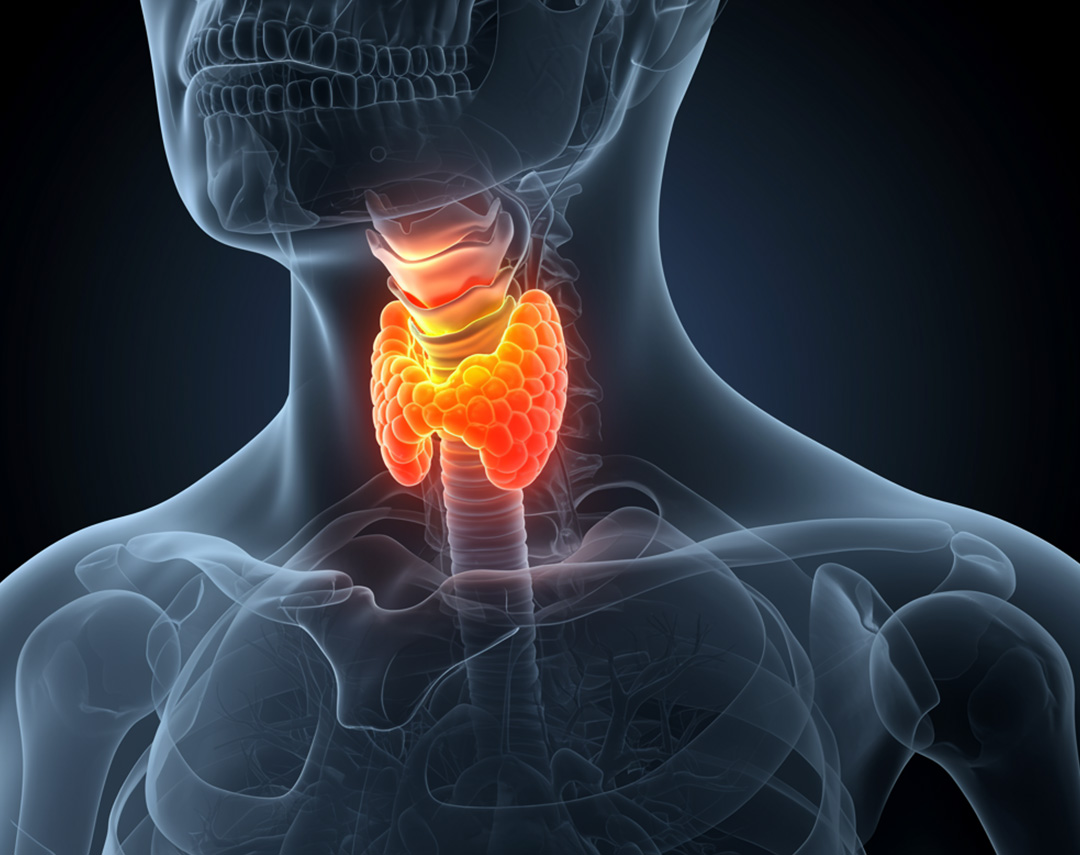
Hyperthyroidism is a condition where the thyroid gland, located in the neck, produces too much thyroid hormone. These hormones—primarily thyroxine (T4) and triiodothyronine (T3)—are crucial for regulating various bodily functions, such as metabolism, heart rate, body temperature, and digestion. When the thyroid produces an excess of these hormones, the body’s systems become overactive, leading to symptoms such as weight loss, increased heart rate, anxiety, and heat intolerance.

How Does Hyperthyroidism Develop?

Hyperthyroidism often develops gradually. The most common cause of this condition is Graves’ disease, an autoimmune disorder where the body’s immune system mistakenly stimulates the thyroid gland to produce excessive amounts of thyroid hormones. Other causes can include toxic thyroid nodules or thyroiditis, an inflammation of the thyroid. Sometimes, excessive iodine intake or medications can also trigger hyperthyroidism.

How Does Hyperthyroidism Develop?

Hyperthyroidism often develops gradually. The most common cause of this condition is Graves’ disease, an autoimmune disorder where the body’s immune system mistakenly stimulates the thyroid gland to produce excessive amounts of thyroid hormones. Other causes can include toxic thyroid nodules or thyroiditis, an inflammation of the thyroid. Sometimes, excessive iodine intake or medications can also trigger hyperthyroidism.

Who is at Risk?

Certain factors increase the likelihood of developing hyperthyroidism:

  • Age: It is more common in individuals over the age of 60. ability to produce hormones. These medications are typically used as the first line of treatment.
  • Gender: Women are more likely than men to develop hyperthyroidism.
  • Family History: A family history of thyroid disease, especially autoimmune conditions like Graves’ disease, increases the risk.
  • Autoimmune Disorders: People with other autoimmune diseases, such as rheumatoid arthritis or type 1 diabetes, are at higher risk.
  • Pregnancy: Women who are pregnant or have recently given birth may be at higher risk for thyroid issues, including postpartum thyroiditis, which can lead to hyperthyroidism.
  • Excessive Iodine Intake: Consuming too much iodine through diet or medication can result in thyroid dysfunction.

What Increases the Chances of Developing Hyperthyroidism?

Several factors increase the chances of developing hyperthyroidism:

  • Graves’ Disease: An autoimmune condition where the body’s immune system mistakenly stimulates the thyroid gland to overproduce hormones (Ross et al., 2020).
  • Thyroid Nodules: Hyperfunctioning thyroid nodules (also known as toxic nodules) can lead to an overproduction of thyroid hormones (Weetman, 2019).
  • Thyroiditis: Inflammation of the thyroid gland, often triggered by infection, autoimmune diseases, or medications, can lead to hyperthyroidism (Huang & Li, 2020).

Peripheral Impacts of Hyperthyroidism

Hyperthyroidism affects various body systems, leading to several peripheral impacts:

  • Cardiovascular System: Increased heart rate, elevated blood pressure, and a higher risk of arrhythmias (irregular heartbeats) or heart failure if untreated (Huang & Li, 2020).
  • Musculoskeletal System: Muscle weakness, particularly in the upper arms and thighs, is common among hyperthyroid patients, which can impair mobility and overall quality of life (Ross et al., 2020).
  • Mental Health: The excess thyroid hormones can lead to symptoms such as anxiety, irritability, and insomnia. In more severe cases, it can contribute to mood disorders, including depression and mania (Weetman, 2019).
  • Osteoporosis: If left untreated, hyperthyroidism can increase the risk of bone thinning and osteoporosis, making individuals more prone to fractures (Huang & Li, 2020).

The Role of Diet and Exercise in Managing Hyperthyroidism

Diet and exercise are critical for managing hyperthyroidism:

Diet: While diet is not a cure for hyperthyroidism, it plays a supportive role. Patients are encouraged to avoid excess iodine intake and to focus on eating a well-balanced diet rich in nutrients like calcium, vitamin D, and protein to support overall health, particularly bone health.

Exercise: Regular physical activity, especially strength training and weight-bearing exercises, can help prevent muscle weakness and bone density loss, which are common complications of hyperthyroidism (Ross et al., 2020).

Health Force One: Comprehensive Hyperthyroidism Care

At Health Force One, we offer comprehensive care for individuals with hyperthyroidism, focusing on education, personalized coaching, and medication management to help patients achieve better health outcomes.

  • Thyroid Ultrasound Services: As part of our commitment to providing comprehensive care, we offer thyroid ultrasound services to assess the thyroid gland’s size and structure. This non-invasive imaging test helps detect abnormalities such as nodules or enlargement, which could contribute to hyperthyroidism. It provides critical information for accurate diagnosis and effective treatment planning.
  • Education & Coaching: We educate patients on the importance of dietary modifications, stress management, and adopting lifestyle changes that support thyroid health (Weetman, 2019).
  • Medication Management: We help patients navigate medications such as anti-thyroid drugs or beta-blockers, which can help manage hyperthyroid symptoms. Our team ensures that medications are properly adjusted and monitored for the best possible results (Huang & Li, 2020).
  • Treatment with Radioactive Iodine or Surgery: For some patients, radioactive iodine therapy or surgical options like a thyroidectomy may be needed. Health Force One provides guidance and support throughout the decision-making process and treatment journey.
  • Follow-Up Monitoring: After the initial treatment, we provide continuous monitoring of thyroid function to adjust medications as necessary and ensure the best control over symptoms.

Conclusion

Managing hyperthyroidism requires a multifaceted approach that includes the right treatment, lifestyle changes, and ongoing monitoring. With the appropriate care, individuals with hyperthyroidism can achieve better health outcomes and enjoy a good quality of life. Health Force One is dedicated to providing comprehensive support to individuals with hyperthyroidism, offering education, personalized coaching, medication management, and essential diagnostic tools like thyroid ultrasounds.

newsletter signup

At Health Force One, our mission is to deliver exceptional healthcare solutions with compassion and innovation. We are dedicated to empowering individuals and communities through accessible urgent care, personalized diagnostic testing, and specialized health services. By prioritizing patient well-being and convenience, we strive to set the standard for quality care that enhances lives and promotes long-term health.
© 2025, Health Force One