

Hypothyroidism is a condition in which the thyroid gland, located in the neck, produces too little thyroid hormone. These hormones, thyroxine (T4) and triiodothyronine (T3), are responsible for regulating critical bodily functions such as metabolism, heart rate, body temperature, and digestion. When the thyroid produces insufficient hormones, the body’s systems slow down, leading to symptoms such as fatigue, weight gain, depression, and cold intolerance.

Hypothyroidism can develop gradually over time. The most common cause is Hashimoto’s thyroiditis, an autoimmune disorder where the body’s immune system mistakenly attacks the thyroid, impairing its ability to produce thyroid hormones. Other causes of hypothyroidism include iodine deficiency, certain medications, radiation therapy, or surgery that removes part or all of the thyroid. In some cases, hypothyroidism may result from pituitary disorders that affect the thyroid-stimulating hormone (TSH), which regulates thyroid function.
Certain factors increase the risk of developing hypothyroidism:
Several factors contribute to the development of hypothyroidism:

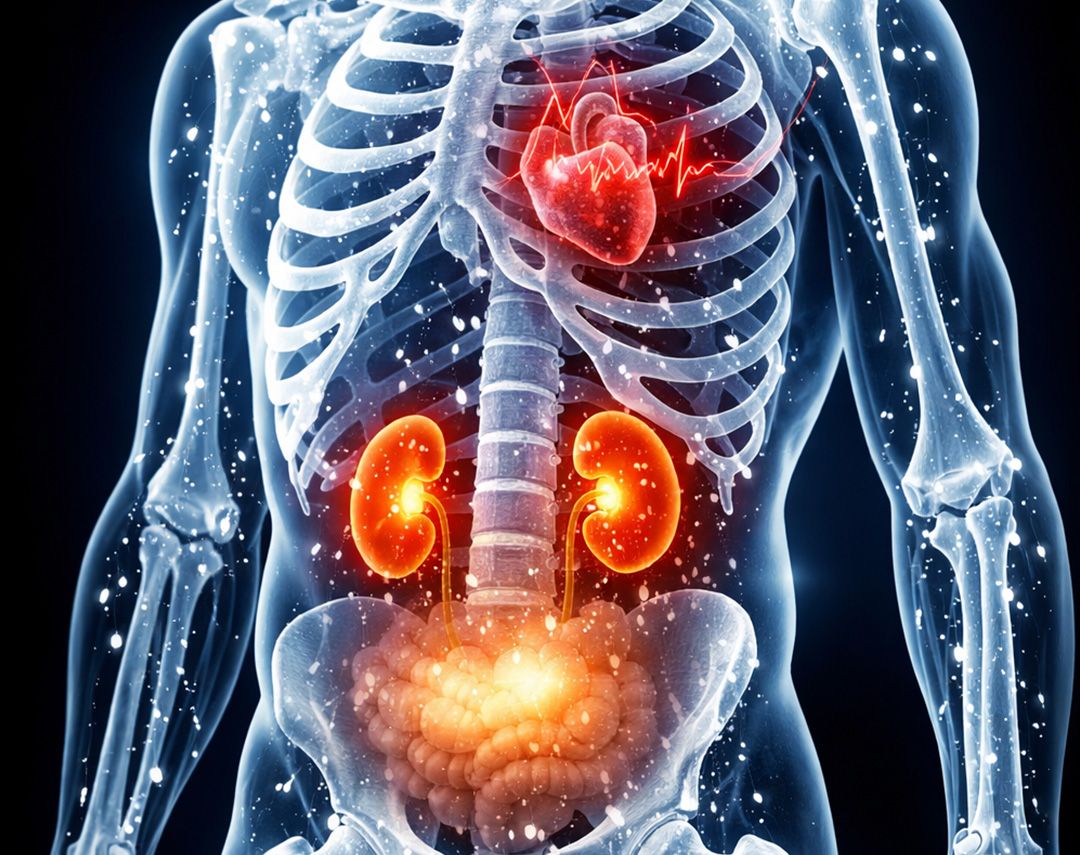
Untreated hypothyroidism can have significant peripheral effects on the body:
Diet and exercise play a critical role in managing hypothyroidism:

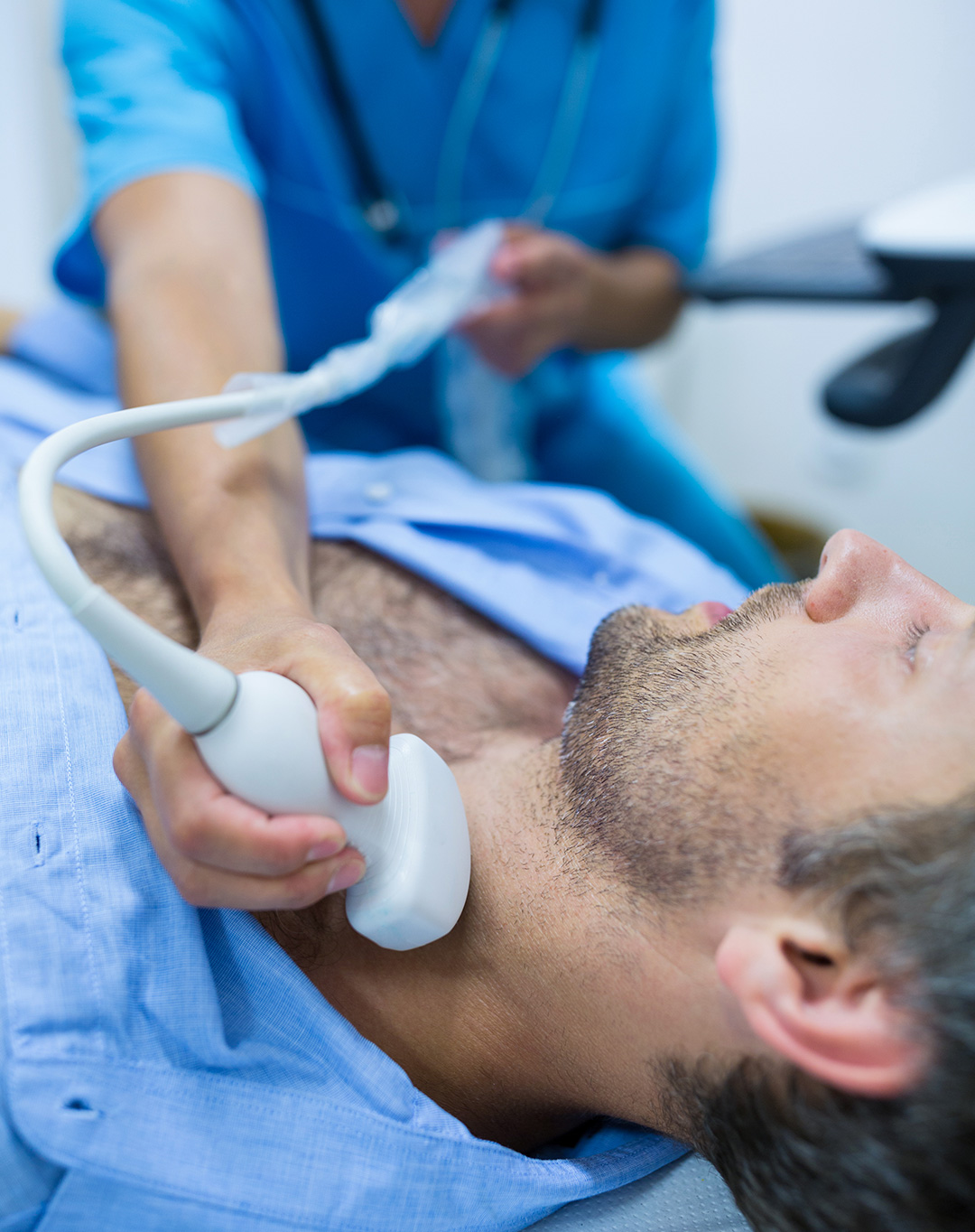
At Health Force One, we provide a holistic, patient-centered approach to managing hypothyroidism. Our care model focuses on education, personalized coaching, and medication management to help patients achieve optimal thyroid health and overall well-being.
Hypothyroidism can significantly affect a person’s life, but with the right treatment and care, individuals can manage the condition and lead fulfilling lives. Health Force One is committed to offering a comprehensive, supportive approach, helping patients with education, coaching, medication management, and monitoring to help them manage their hypothyroidism effectively.
References