


Understanding the Adrenal Tumor

Learn about a wide range of hormonal, adrenal, thyroid, and metabolic conditions. Each article provides clear, concise information to help you better understand the causes, symptoms, and potential health impacts of these disorders.

Pheochromocytoma: Understanding the Adrenal Tumor

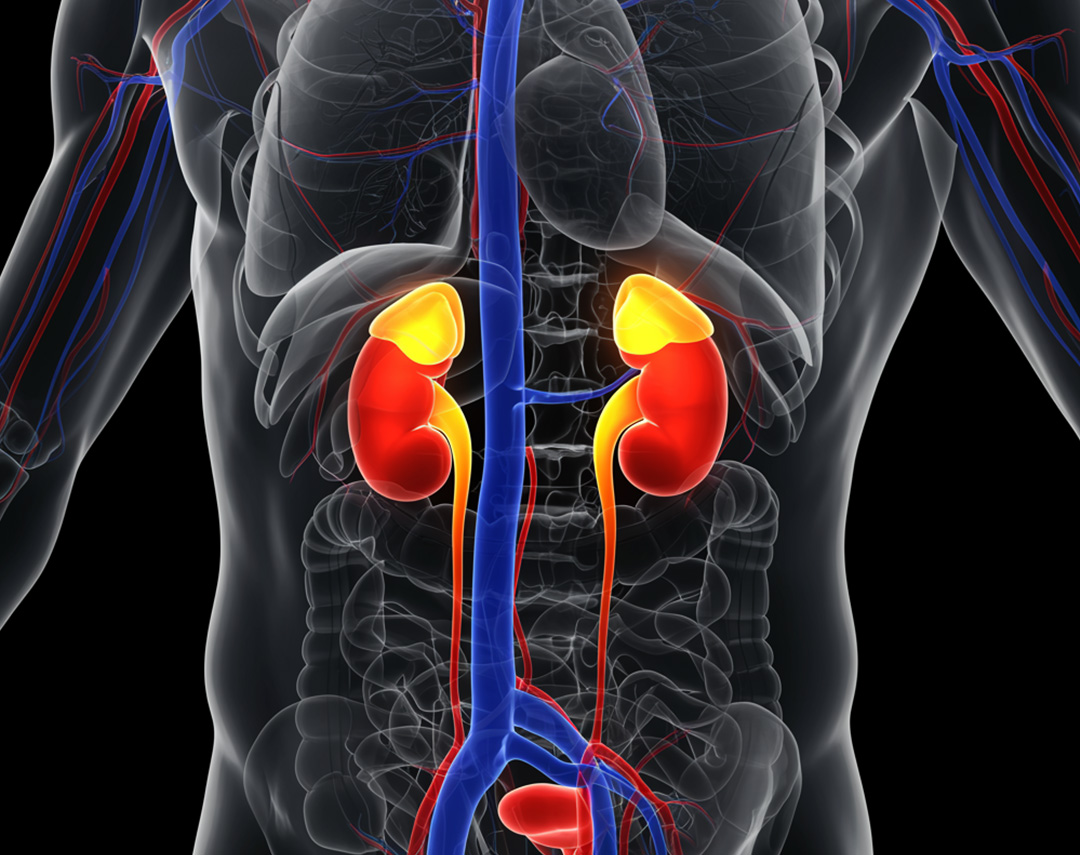
Pheochromocytoma is a rare tumor that develops in the adrenal glands, which are located on top of the kidneys. These tumors produce excess amounts of catecholamines, such as epinephrine and norepinephrine (commonly known as adrenaline), leading to high blood pressure and a range of other symptoms.
Symptoms of pheochromocytoma can vary widely but typically include:

  • High blood pressure, which may be persistent or intermittent
  • Severe headaches
  • Sweating
  • Rapid heartbeat (palpitations)
  • Tremors or shaking
  • Anxiety or feeling nervous
  • Flushing or face redness
  • Chest pain or abdominal discomfort

These symptoms can occur suddenly, often triggered by physical exertion, stress, or certain medications.

Causes and Risk Factors:

  • Genetic mutations: Some people may inherit conditions like multiple endocrine neoplasia type 2 (MEN2) or von Hippel-Lindau disease, which increase the risk of developing pheochromocytoma.
  • Atypical tumors: While rare, these tumors may also arise in other parts of the body, such as the heart or extra-adrenal tissue.


  • Diagnosis involves blood and urine tests to check for elevated levels of catecholamines and their metabolites, metanephrines. Imaging tests like CT scans or MRI are then used to locate the tumor. Genetic testing may also be done, especially if there is a family history of related conditions.

Treatment for pheochromocytoma typically involves:


  • Surgical removal of the tumor (most commonly performed laparoscopically).
  • Alpha-blockers (such as phenoxybenzamine) to manage high blood pressure before surgery.
  • In some cases, beta-blockers or calcium channel blockers may be used to control symptoms.


After surgery, patients are often monitored for the return of symptoms, which may occur if the tumor was not completely removed or if additional tumors develop.

At Health Force One, we offer comprehensive evaluation and treatment of pheochromocytoma. Our care includes genetic testing, imaging coordination, pre-surgical management, and post-surgery follow-up to ensure the best outcomes for patients with this rare condition.

newsletter signup

At Health Force One, our mission is to deliver exceptional healthcare solutions with compassion and innovation. We are dedicated to empowering individuals and communities through accessible urgent care, personalized diagnostic testing, and specialized health services. By prioritizing patient well-being and convenience, we strive to set the standard for quality care that enhances lives and promotes long-term health.
© 2025, Health Force One